The Church Studio in Tulsa: Music History, Tours, and the Roy Clark Archive
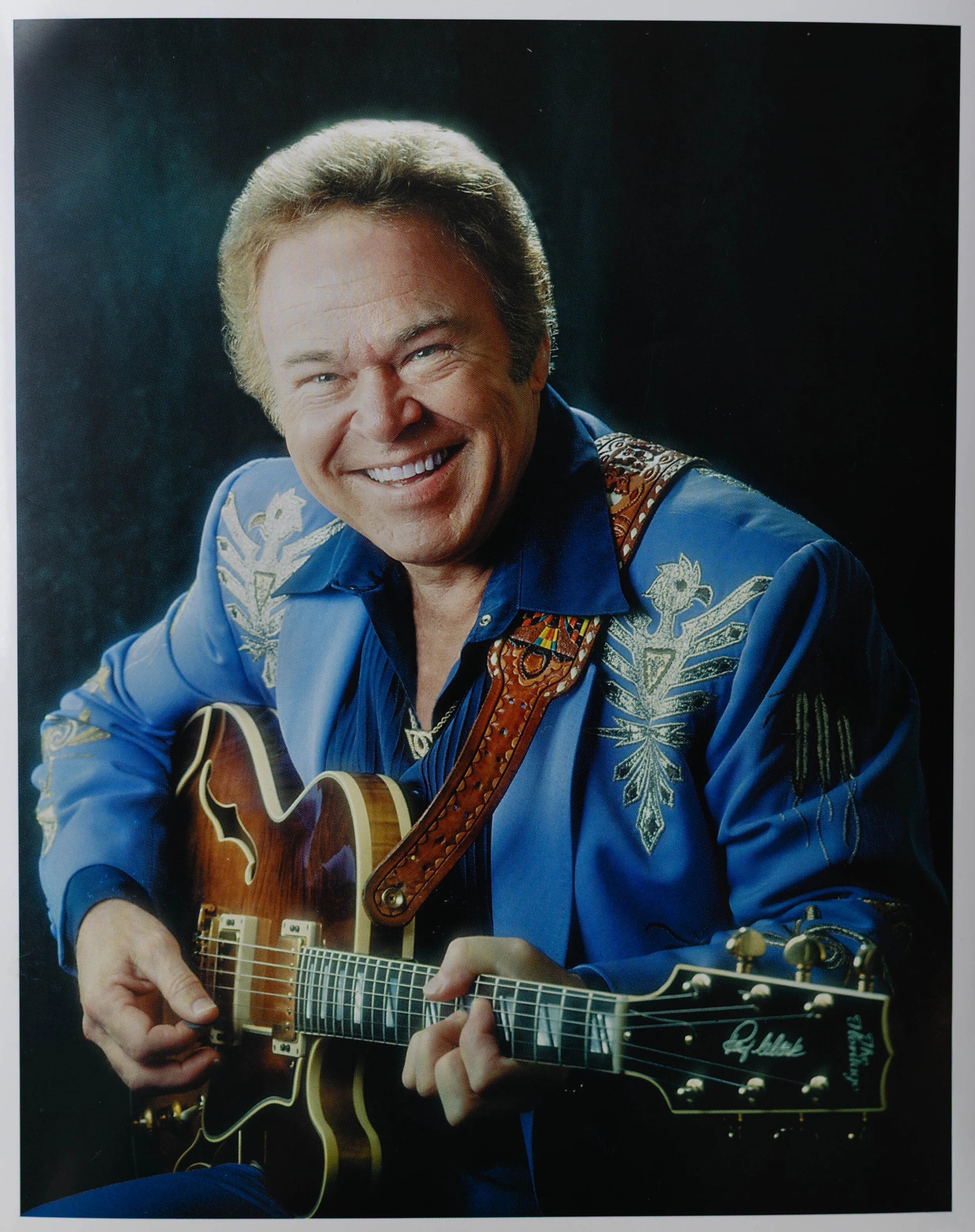
Explore the historic Oklahoma recording studio where music history is preserved, and learn about the future home of Roy Clark's personal collection.
Written by Amanda Tempel
Published: October 14, 2026
Tulsa has no shortage of music history, but few places tell that story quite like The Church Studio. Housed in a century-old church that Leon Russell transformed into a recording studio in the 1970s, the space is now part working studio, part music museum, and the permanent home of country music legend Roy Clark's personal archives.
While Clark's collection isn't open to the public just yet, The Church Studio is already a destination worth exploring. From its connection to the Tulsa Sound to the musicians who have passed through its doors, there's plenty of history to discover inside.
What Is The Church Studio in Tulsa?
Located in Tulsa's Pearl District, The Church Studio has been part of Oklahoma's music history for more than 50 years.
The building was originally constructed in 1915 as Grace Methodist Episcopal Church. In 1972, musician Leon Russell purchased the property and transformed it into a recording studio and headquarters for Shelter Records.
Over the years, the studio became associated with the Tulsa Sound, a blend of country, blues, and rock music. Artists including Willie Nelson, Eric Clapton, Tom Petty, and Stevie Wonder have connections to the historic facility.
Today, The Church Studio operates as both a working recording studio and a museum dedicated to preserving the city's musical heritage.
Visitors can explore exhibits featuring Leon Russell, Shelter Records, historic recording equipment, photographs, and memorabilia. The museum also offers guided tours, giving guests a closer look at the building's history and its continued role in the music industry.
Roy Clark's Archives Are Coming to The Church Studio
In August 2026, The Church Studio announced that Barbara Clark had donated her late husband's extensive personal and professional archives to the facility.
The collection includes photographs, awards, concert posters, personal papers, stage and television wardrobe, memorabilia, and numerous stringed instruments.
Clark was known for his extraordinary abilities on guitar, banjo, mandolin, and fiddle. He also became one of country music's most familiar television personalities as co-host of Hee Haw, beginning in 1969.
His accomplishments included being named CMA Entertainer of the Year in 1973, receiving a Grammy Award for “Alabama Jubilee,” joining the Grand Ole Opry in 1987, and being inducted into the Country Music Hall of Fame in 2009.
For Barbara Clark, finding a permanent home for the collection was about keeping Roy's legacy together.
“Our family wanted Roy's collection to remain together, to be cared for with love and to be shared with people who truly understand what music meant to him,” she said. “I believe Roy would be very happy knowing that his instruments, memories and life's work will have a permanent home there, surrounded by musicians and music.”
When Will the Roy Clark Archive Open to the Public?
An opening date for the Roy Clark exhibition has not been announced.
The Church Studio plans to hold a separate media event to unveil selected pieces from the collection and provide additional information about its preservation and future exhibition.
Visitors should be aware that the new Roy Clark archive is not currently part of the museum's regular public tours.
Why Tulsa Was Important to Roy Clark
Roy and Barbara Clark moved their family to Tulsa in 1974, making Oklahoma their permanent home.
Outside of his recording and television career, Clark became an active supporter of the community. He raised more than $1 million for Tulsa's Children's Medical Center through his annual celebrity golf tournament.
Roy Clark Elementary School was named in his honor in 1978, and he regularly visited the school and supported its programs.
Clark was also a baseball fan who helped bring the Tulsa Drillers franchise to the city in 1977.
He died on November 15, 2018, at the age of 85.
His connection to Tulsa makes The Church Studio a meaningful location for preserving his legacy.
Planning a Visit to The Church Studio
Music fans don't have to wait for the Roy Clark exhibition to explore The Church Studio.
The museum currently offers public admission, guided tours, and live music programming. Visitors can see exhibits devoted to the Tulsa Sound and learn about the artists who helped shape the city's recording history.
The Church Studio also hosts Tunes @ Noon, a live music series featuring performances by local and visiting musicians.
The Church Studio Visitor Information
Location: 304 S. Trenton Avenue, Tulsa, Oklahoma 74120
Museum Hours: Monday through Saturday, 10 a.m. to 3 p.m. Closed Sundays.
Admission:
Adults: $15
Seniors 65+, veterans, and students: $12
Children 12 and under: Free
Private tours: $25
Walk-ins are welcome, and visitors can also purchase admission in advance. Hours and tour availability may change depending on the recording studio's schedule.
For tickets, current hours, and tour information, visit The Church Studio's official website.
The upcoming Roy Clark collection will add another chapter to The Church Studio's history. For now, visitors can explore a building that has played an important role in American music, with more of Clark's story still to come.