Visiting the Bluegrass Music Hall of Fame & Museum in Owensboro
Written By: Amanda Tempel
Last Updated: September 6, 2026
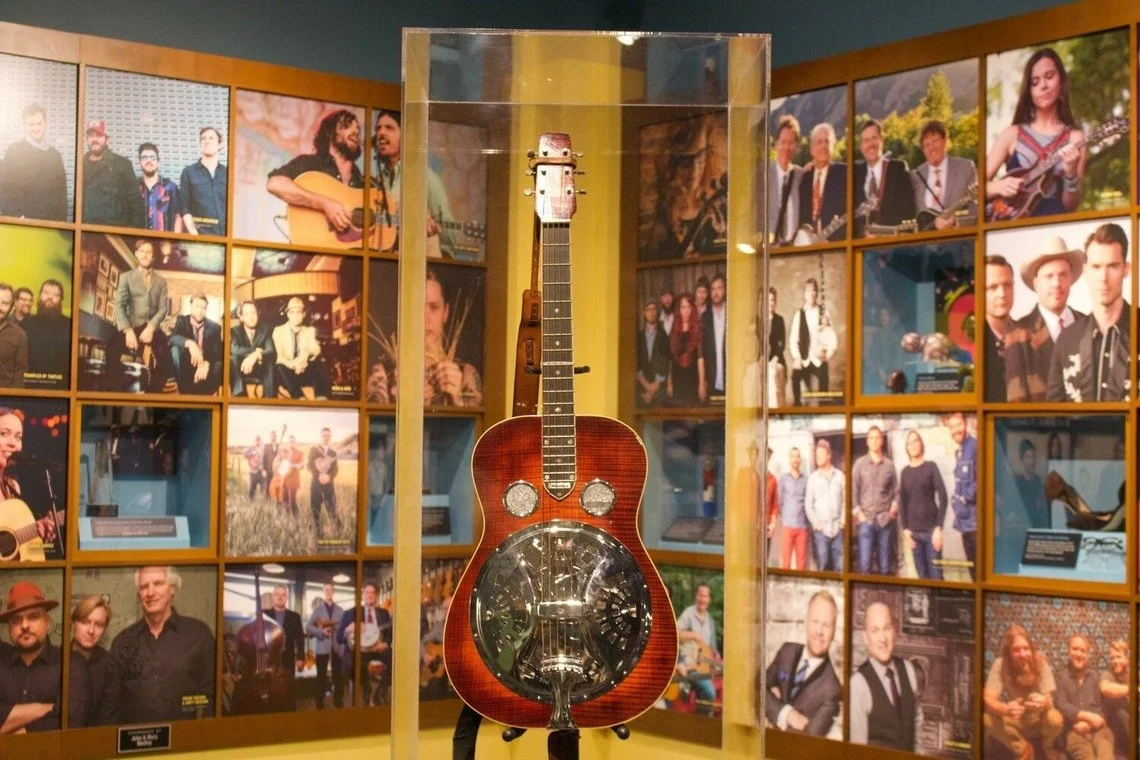
The acoustic instrumentation enveloped with harmonious pulsing vocals and Appalachian melancholy, that unmistakable bluegrass sound, rose to prominence in the 1940s. Founder Bill Monroe, a hard-headed character dubbed the “Father of Bluegrass,” grew up in Rosine, Kentucky. He picked up the mandolin as a youngin’ in an airy off-white rural home with a roomy meadow-green trimmed porch where musical flair overflowed.
About 45 minutes from Bill Monroe’s homeplace, Owensboro, Kentucky, is home to the Bluegrass Music Hall of Fame & Museum, where the history of the genre unfolds through instruments, artifacts, multimedia exhibits, and the Hall of Fame itself.
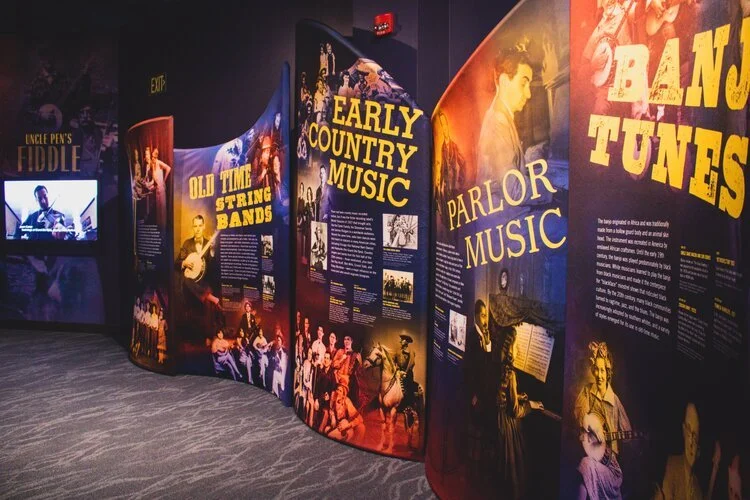
Inside the Bluegrass Music Hall of Fame & Museum
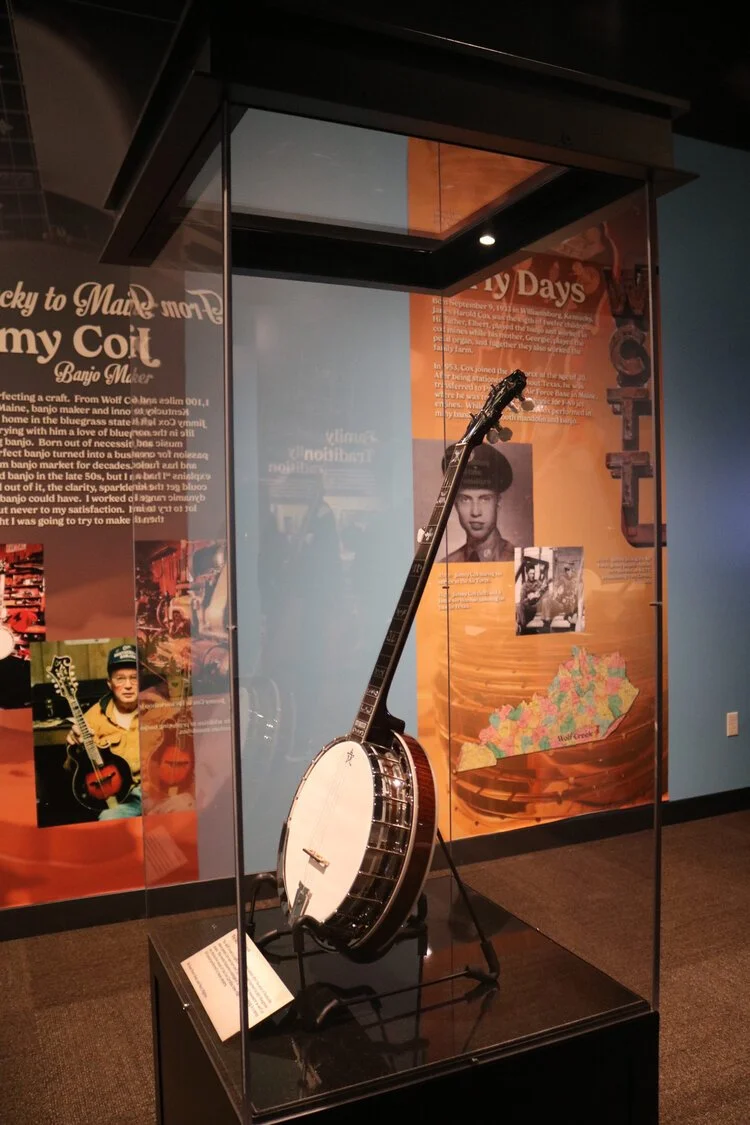
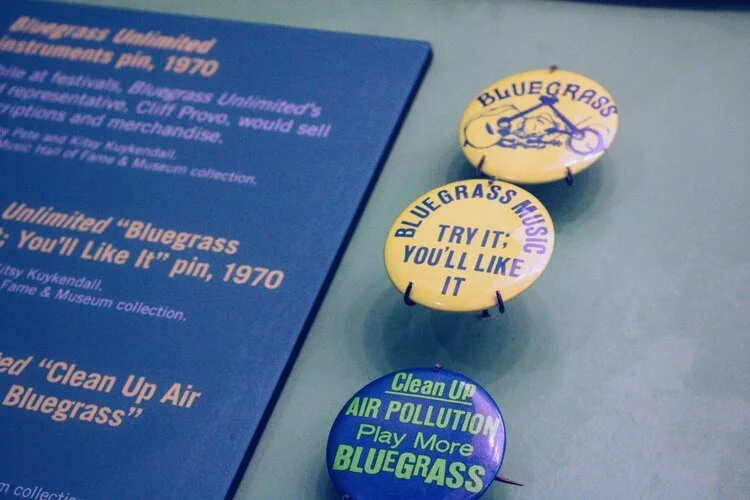
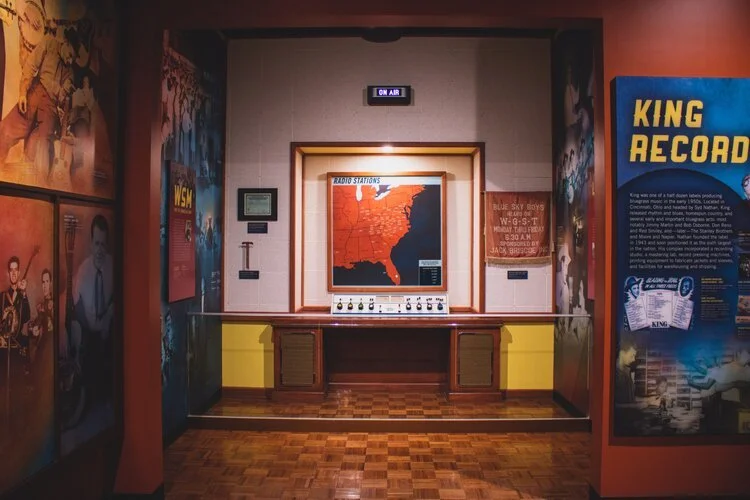
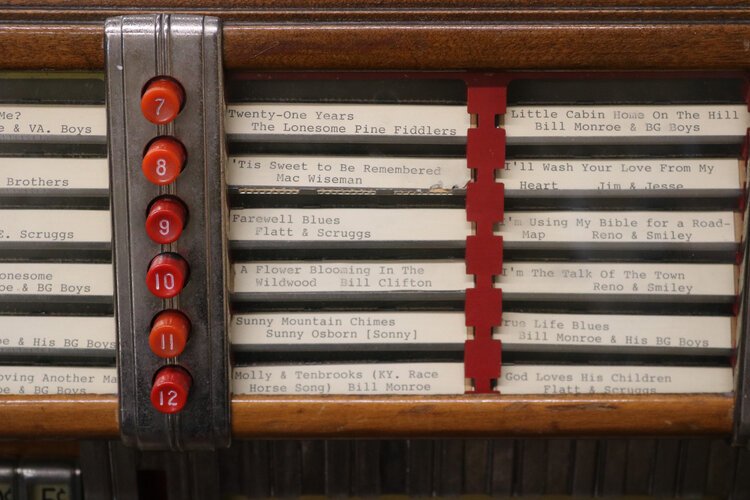
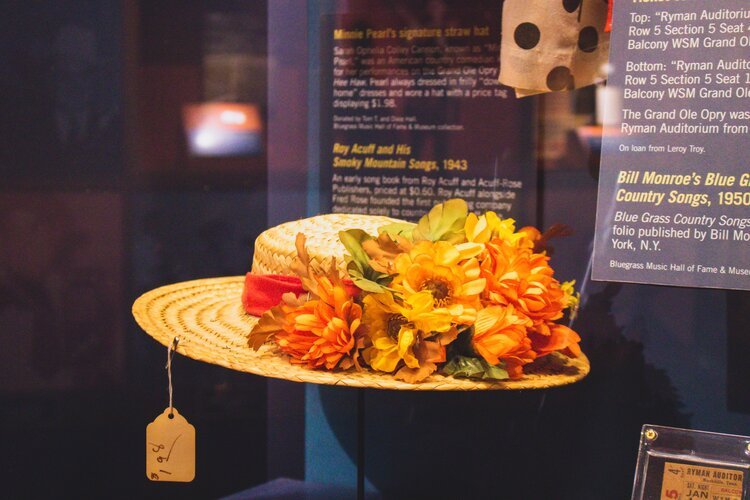
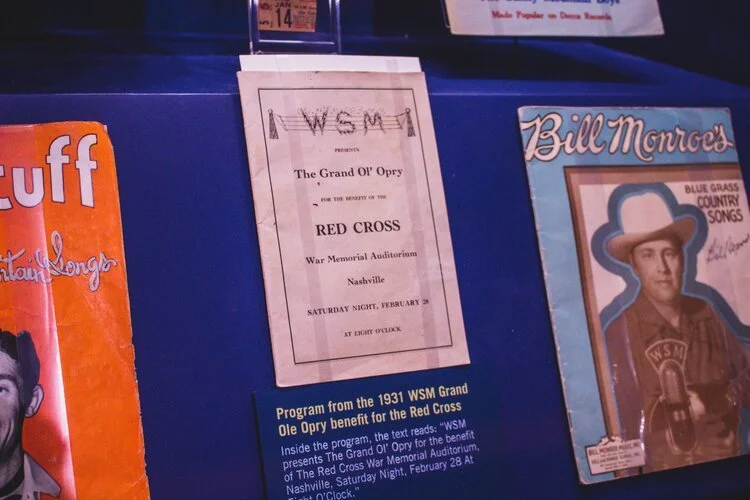
Located in the refined and sprouting downtown of Owensboro, the Bluegrass Music Hall of Fame & Museum is suited for both novice explorers and conversant longtime devotees. The walking timeline immerses you into every era of the format through multimedia exhibitions and artifacts housed behind unblemished glass displays. Your self-guided tour begins with delicate archetypical instruments that were once picked, sawed, and plucked by the hands of revolutionary artists now esteemed in historical accounts.
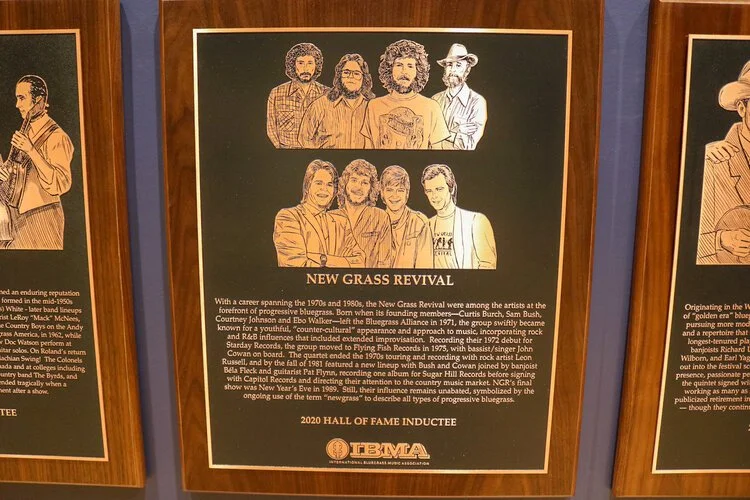
The communal veneration among bluegrass artists is detectable as you ponder the multi-generational collaborations. There are no signs of phasing out; it’s an exalting admiration. Polished and shiny copper plaques commemorating the inductees into the Bluegrass Music Hall of Fame, the genre’s highest honor, adorn the upper level. You’ll see legendary names including Bill Monroe, Earl Scruggs, Alison Krauss, Ricky Skaggs, New Grass Revival, and many more represented throughout the Hall of Fame. New members are inducted each year, continuing the story of the artists and industry figures who helped shape bluegrass music.
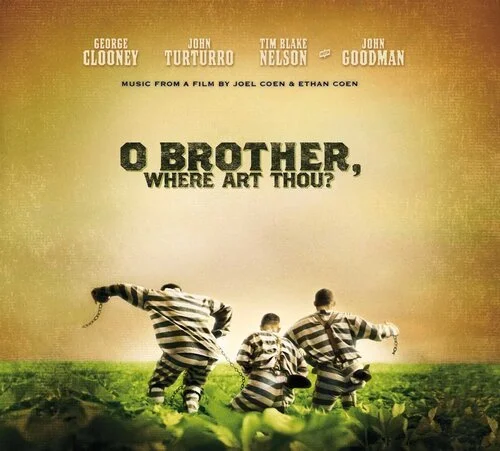
O Brother, Where Art Thou?
The impact of the Coen brothers’ Great Depression-era film ignited a national surge in 2001. The soundtrack collected major honors across country, bluegrass, and mainstream music, including the Grammy for Album of the Year. It also gave Ralph Stanley a win for Best Male Country Vocal Performance for “O Death” and secured him a performance slot on the 2002 telecast. The album’s influence sparked a cultural marvel, eventually selling more than eight million copies. View movie memorabilia during your tour!

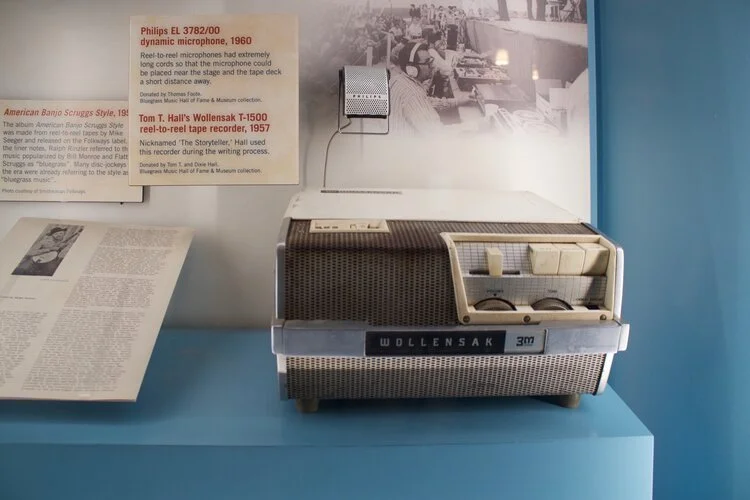
Growing up in a home with no cable, PBS became my source to consume new music outside of the contemporary radio fare. Shows like Soundstage, Mountain Stage, and Austin City Limits broadened my musical prospects, leading me to Nickel Creek, Doyle Lawson and Quicksilver, and more. The Grand Ole Opry’s inclusion of the genre played an important role, too. Soon, I was exploring Del McCoury, The Grascals, Osborne Brothers, and Rhonda Vincent.
Bluegrass Music Today
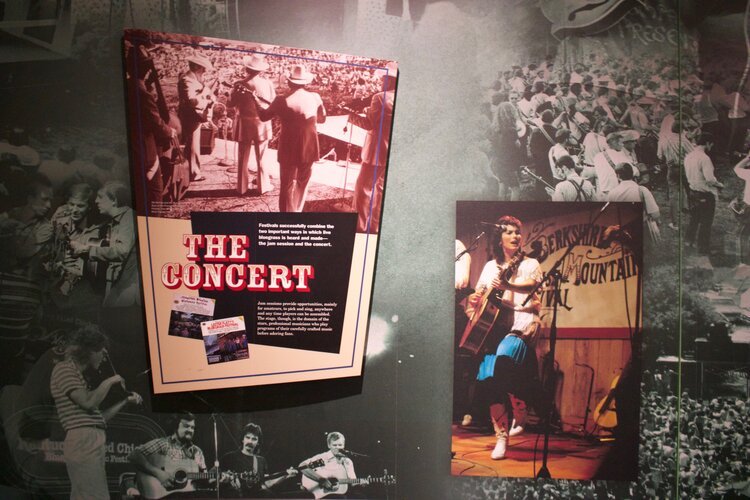
Streaming platforms have made it easier for listeners to discover contemporary bluegrass artists alongside the legends who shaped the genre. Artists including Billy Strings have helped introduce the music to new audiences, while bluegrass, roots, and Americana continue to cross paths on festival stages around the country. Owensboro remains part of that story through ROMP Festival, the annual bluegrass music festival produced by the Bluegrass Music Hall of Fame & Museum.
Plan Your Visit to the Bluegrass Music Hall of Fame & Museum
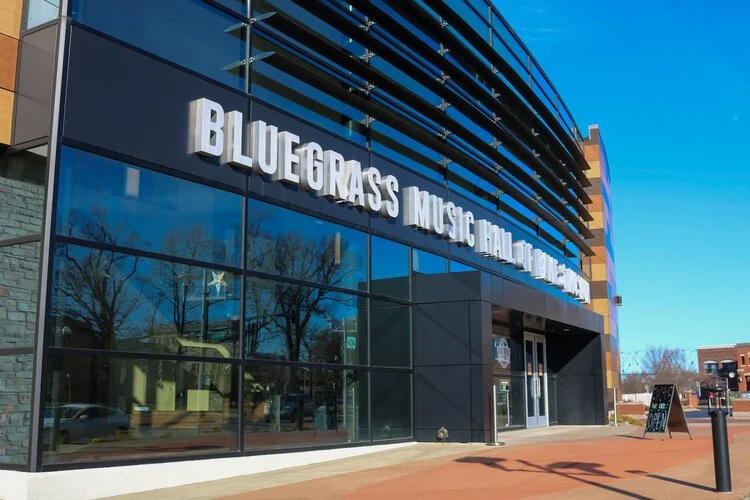
The Bluegrass Music Hall of Fame & Museum is located at 311 W. 2nd Street in downtown Owensboro, Kentucky, near the Ohio River. The museum is currently open Tuesday through Saturday from 10:00 AM–5:00 PM and Sunday from 1:00–5:00 PM. It is closed Mondays.
Admission prices and exhibit offerings can change, so check the museum’s official visitor information before your trip.